Measuring and Modeling Psychophysiological Synchrony: The Multitude of Ways We Can Analyze Longitudinal Dyadic Data
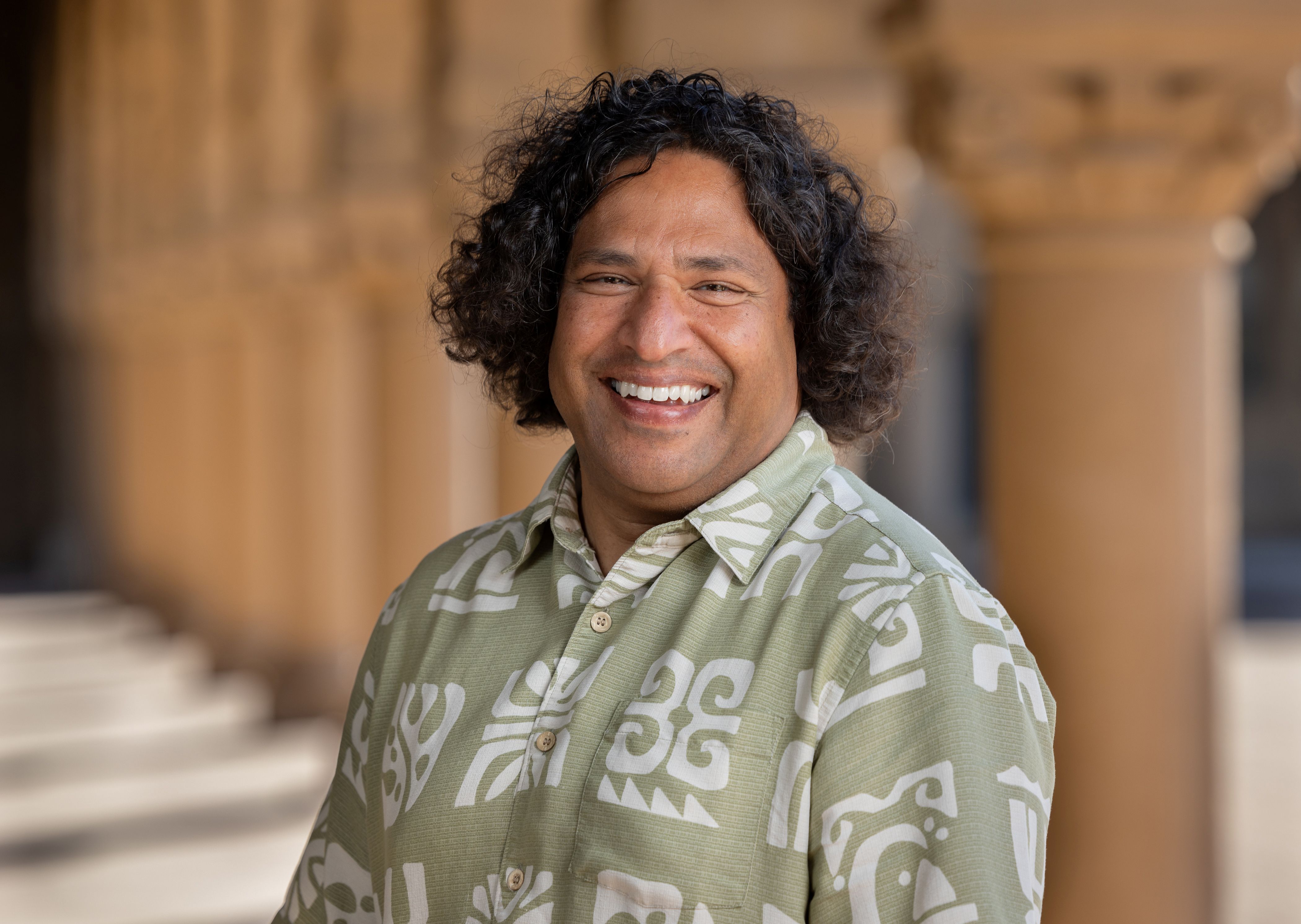
Nilam Ram, PhD, Professor of Psychology, Professor of Communication, Stanford University
Bio
Nilam’s research grows out of a history of studying change. After completing his undergraduate study of economics, he worked as a currency trader, frantically tracking and trying to predict the movement of world markets as they jerked up, down and sideways. Later, he moved on to the study of human movement, kinesiology, and eventually psychological processes - with a specialization in longitudinal research methodology. Generally, Nilam studies how short-term changes (e.g., processes such as learning, information processing, emotion regulation, etc.) develop across the life span, and how longitudinal study designs contribute to generation of new knowledge. Current projects include examinations of age-related change in children’s self- and emotion-regulation; patterns in minute-to-minute and day-to-day progression of adolescents’ and adults’ emotions; and change in contextual influences on well-being during old age. He is developing a variety of study paradigms that use recent developments in data science and the intensive data streams arriving from social media, mobile sensors, and smartphones to study change at multiple time scales.
Workshop Description
Psychophysiological measures — heart rate, electrodermal activity, EEG, cortisol, and more — are increasingly collected from multiple people as they interact over time: across seconds and minutes within an experiment session, across days and weeks via ambulatory and wearable sensors, and across months and years in developmental and clinical studies. All these wonderful data provide rich opportunity to study change, variability, and many different types of coupling.
This workshop provides a practical introduction to methods for modeling psychophysiological synchrony that may manifest at multiple timescales. After reviewing some of the theoretical and design principles driving collection of dyadic and repeated-measures physiological data, we dive into the different ways synchrony is defined and operationalized. Presentations will include practical looks at the various time-series and dynamic systems approaches that are being used to characterize interpersonal synchrony within dyads (and also intrapersonal coupling across physiological channels within a person); critical evaluation of when and why they various measurement models and analytic models operationalize different notions of physiological synchrony; and hands-on analysis of 3 different types of synchrony.
The workshop will combine short lectures on background with example empirical analyses. Attendees will leave with template R code they can adapt to their own psychophysiological data, and a practical framework for deciding which models might be leveraged when (and maybe even why).
No prior experience with multilevel or time-series modeling is required, though familiarity with R is helpful. Participants are encouraged to bring a laptop with R and RStudio installed. Materials will be available at https://thechangelab.stanford.edu/.
Mobile EEG and fNIRS: Practical Data Collection and Analysis in Real-World Settings
Olav Krigolson, PhD, Professor of Neuroscience and Exercise Science, University of Victoria, Canada
Bio
Dr. Olave Krigolson is a neuroscientist at the University of Victoria (Canada) and Director of the Theoretical and Applied Neuroscience Laboratory. His research focuses on decision-making and learning, with particular expertise in electroencephalography (EEG), event-related potentials (ERPs), and the development and validation of mobile EEG methodologies for real-world research.
Dr. Krigolson has authored over 100 peer-reviewed publications and delivered more than 250 conference presentations. His work has appeared in leading journals including Nature, NeuroImage, Psychophysiology, and Journal of Cognitive Neuroscience, and has been cited over 5,600 times. He is widely recognized for his contributions to mobile EEG, including the highly cited Choosing Muse and Using Muse papers, which established the feasibility and limitations of low-cost, portable EEG systems for ERP research.
His lab develops end-to-end mobile neuroscience pipelines spanning data collection, signal quality assessment, preprocessing, and analysis, with applications in cognitive fatigue, performance monitoring, concussion, and neurodegenerative disease. This work has led to collaborations with industry and public partners including Nike, NASA, professional sports organizations, and health authorities.
Dr. Krigolson regularly teaches and consults on EEG methods and signal processing, with a strong emphasis on translating laboratory-grade psychophysiology to real-world settings.
Workshop Description
Over the past decade, mobile neurotechnology has evolved from novelty devices used primarily for recreation into viable tools for collecting research-grade neurophysiological data. Modern mobile EEG and fNIRS systems oGer capabilities that traditional laboratorybased equipment cannot easily provide. Because these systems are portable, lightweight, and quick to deploy, researchers can collect neural data in real-world environments rather than being confined to the laboratory. In our own work, data have been recorded in forests, hospitals, on sports fields, inside the NASA Mars Habitat, and even at Mount Everest Base Camp. In many cases, full system setup can be completed in under a minute while still producing high-quality signals suitable for scientific analysis.
This workshop introduces the theoretical foundations of mobile neuroimaging, practical considerations for field data collection, common methodological pitfalls, and recommended analysis pipelines. Most importantly, the session is designed to be highly interactive and hands-on. During the morning session, participants will both run and take part in two studies: an EEG/ERP experiment and an fNIRS experiment. Attendees will set up the devices, administer the tasks, and collect the data themselves.
In the afternoon, we will focus on the challenges and nuances of analyzing mobile neurophysiological data. Using the datasets collected earlier in the day, participants will work through the analysis process and generate results at both the individual and group level. By the end of the workshop, the group will have produced complete results sections for both an EEG/ERP study and an fNIRS study. No prior experience with EEG or fNIRS is required. Participants need only bring a laptop with MATLAB installed.
No Trial Left Behind: A Practical Guide to Linear Mixed Effects Models for Event-Related Potential Data
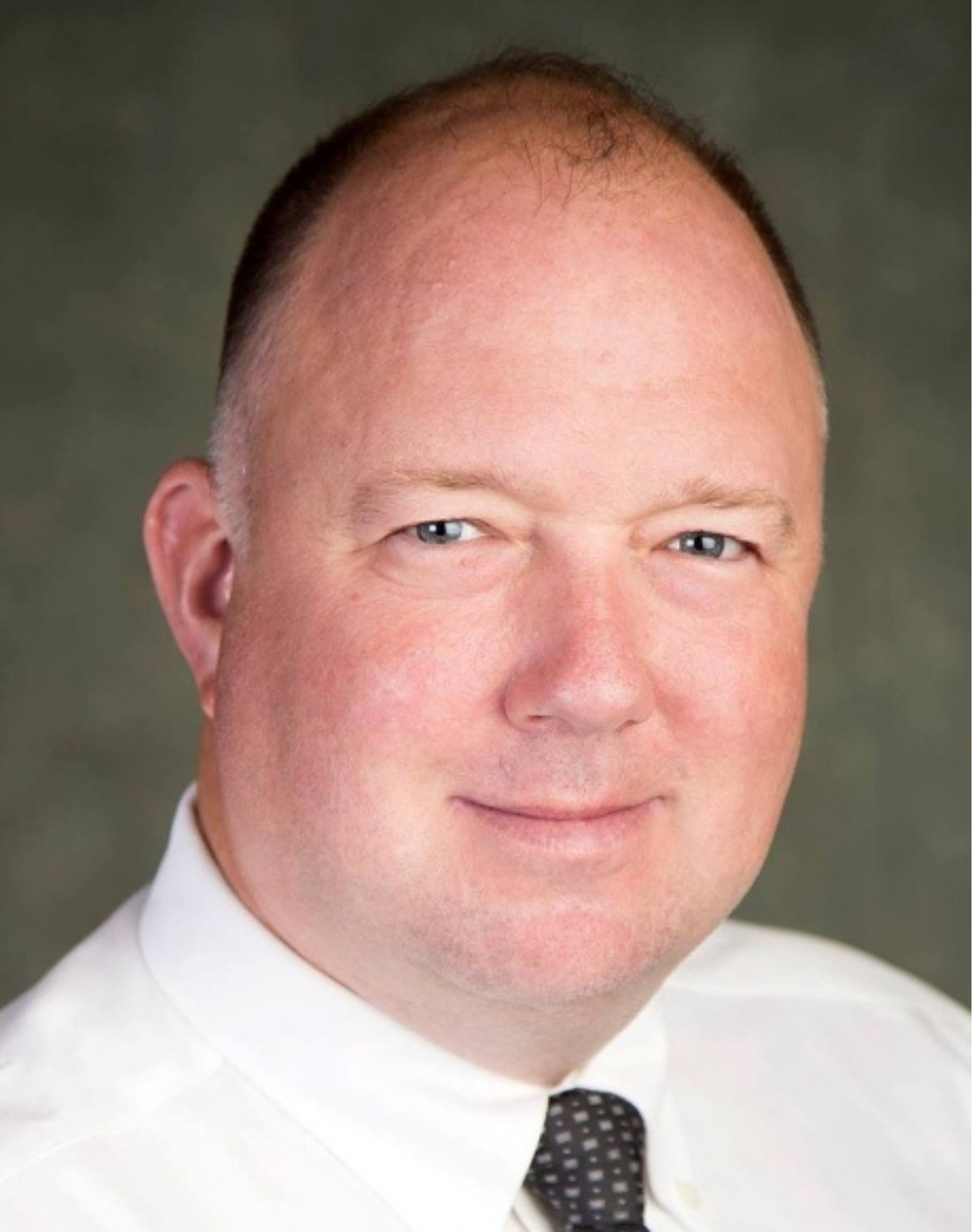
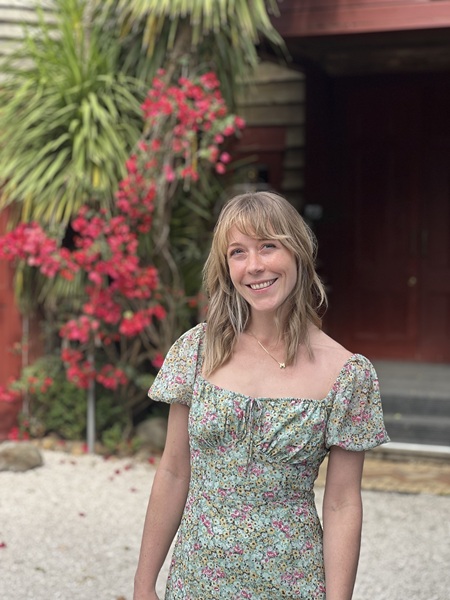
MJ Heise, PhD, Statistician, University of California, San Francisco (UCSF)
Bio
MJ Heise, Ph.D. is a statistician at the University of California, San Francisco, specializing in methods for longitudinal and repeated measures data. Her research centers on improving methods and measurement in developmental science, with a substantive focus on the developmental trajectory of social cognition. Through collaborations with colleagues in public health, she also contributes to work on HIV prevention and treatment.
Her methodological publications on linear mixed effects models for event-related potential mean amplitude and difference waves (Heise et al., 2022, 2025, Developmental Cognitive Neuroscience) address real-world analytic challenges such as systematic missing data, with current work extending this framework to ERP latency. Her work has been presented at the International Congress of Infant Studies and the Fetal, Infant & Toddler Neuroimaging Group, among other venues. She is the author of 20+ peer-reviewed publications.
Dr. Heise is committed to supporting researchers at all career stages in strengthening their statistical practice. She has published tutorials and actively develops open-access materials to help the ERP and developmental research communities adopt more robust analytical approaches.
Workshop Description
Event-related potentials (ERPs) offer a powerful measure of neural processing across a broad range of psychological and physiological domains, with applications spanning cognitive, affective, social, and developmental research. Despite their widespread use, the statistical approaches applied to ERP data have not kept pace with current best practices. ERP data are typically characterized by systematic missing data patterns that violate the assumptions of conventional approaches such as ANOVA and linear regression, leading to biased estimates and reduced statistical power. Linear mixed effects models (LMEs) offer a flexible alternative that leverages all available trial-level data without requiring casewise deletion. This workshop will provide a comprehensive introduction to LME approaches for ERP data, covering applications to mean amplitude, difference waves, and latency. We will discuss when and why LMEs outperform conventional approaches — and cases where caution is warranted — depending on study design, research question, and data structure. Using sample R code provided to attendees, participants will walk through the essential steps of applying LMEs to ERP studies, including power analysis, model specification, and assumption checking. Key topics will include:
• When and why to use LMEs for ERP data
• Study design and power analysis
• Model specification (centering and random effects structure)
• Model evaluation (simplification, assumption checking, and effect size estimation)
By the end of the workshop, attendees will be equipped to implement LME approaches in their own ERP research.