Hero Image

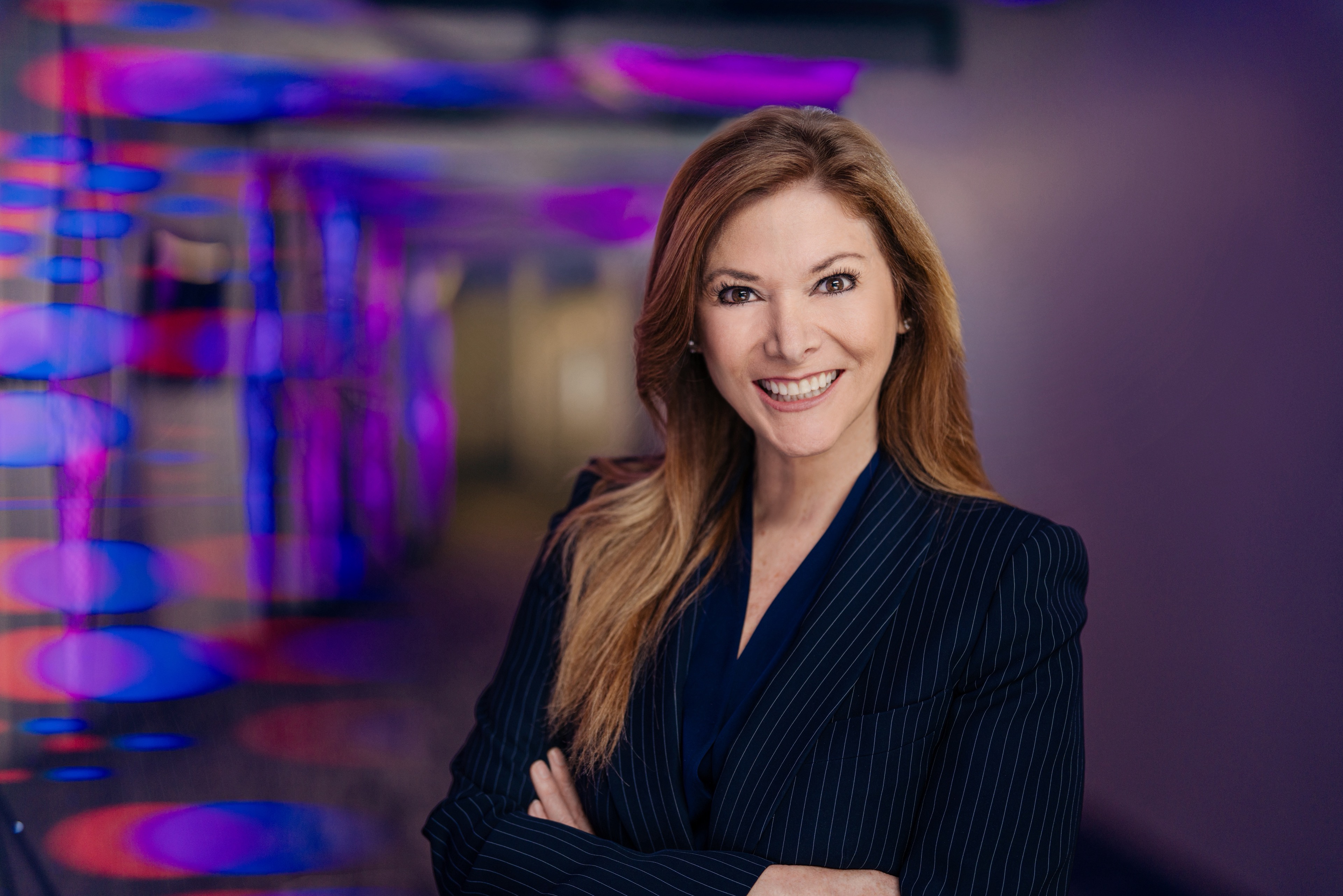
Wendy Berry Mendes, PhD


Wendy Berry Mendes, PhD, is the Chris Argyris Professor of Psychology at Yale University. She received her PhD in social psychology from UCSB and completed a postdoc in psychology & medicine at UCSF. Her research focuses on how the brain and body respond to emotion and stress using biological approaches including autonomic physiology, neuroendocrinology, and immunology. She applies this methodological approach to a variety of research areas including racial health disparities, stereotyping and prejudice, emotion and decision-making, and dyadic and group physiological synchrony. Recently her work has expanded globally with an app-based research study called MyBPLab, which leverages an optic sensor embedded in phones and wearables that estimates blood pressure responses along with other physiological responses. The study enrolled more than 250,000 people from over 100 countries and participants tracked their stress, emotion, and blood pressure providing more than 5 million daily check-ins. Professor Mendes has won several awards including the Sage Scholar Award, the Gordon Allport Award for the best paper on intergroup relations, the APS Spence Award, and the SESP Career Trajectory Award. Dr. Mendes has served many editorial roles including senior editor at Psychological Science and was one of the founding Editors-in-Chief of the journal Affective Science.
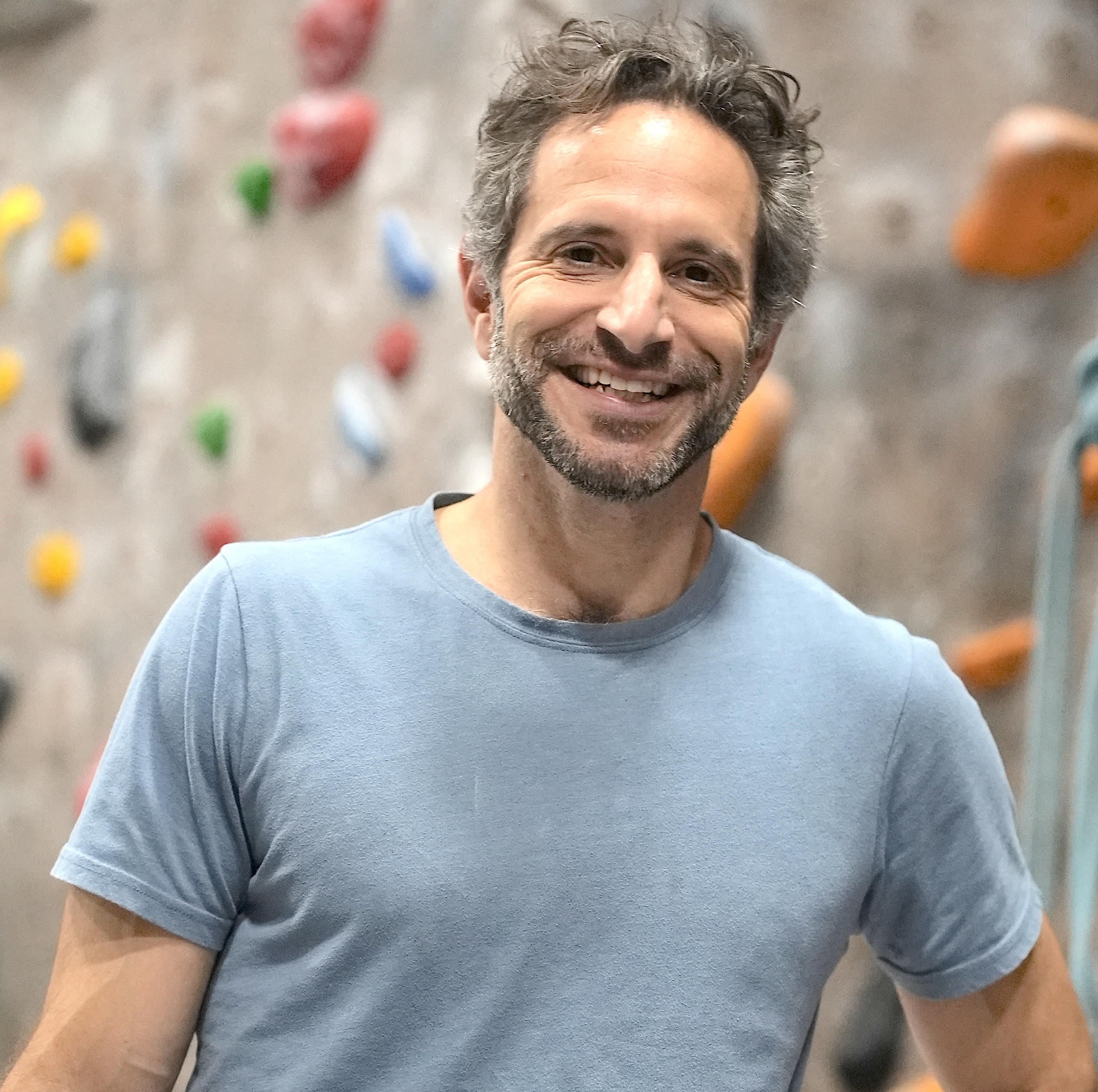
Michael J. Frank, PhD


Michael J. Frank is Edgar L Marston Professor of Cognitive and Psychological Sciences at Brown University. He directs the Nancy G. Zimmerman Center for Computational Brain Science within the Carney Institute for Brain Science. He received his PhD in Neuroscience and Psychology in 2004 at the University of Colorado, following undergraduate and master's degrees in electrical and bioengineering. Frank’s work focuses primarily on theoretical models of frontostriatal circuits and their modulation by dopamine, especially their cognitive functions, connections to models of artificial intelligence, and implications for neurological and psychiatric disorders. The models are tested and refined with experiments across species, neural recording methods, and neuromodulation. Honors include the Troland Research Award from the National Academy of Sciences (2021), Kavli Fellow (2016), the Cognitive Neuroscience Society Young Investigator Award (2011), and the Janet T Spence Award for early career transformative contributions (Association for Psychological Science, 2010). Dr Frank is a senior editor for eLife.

Hero Image
Hero Image

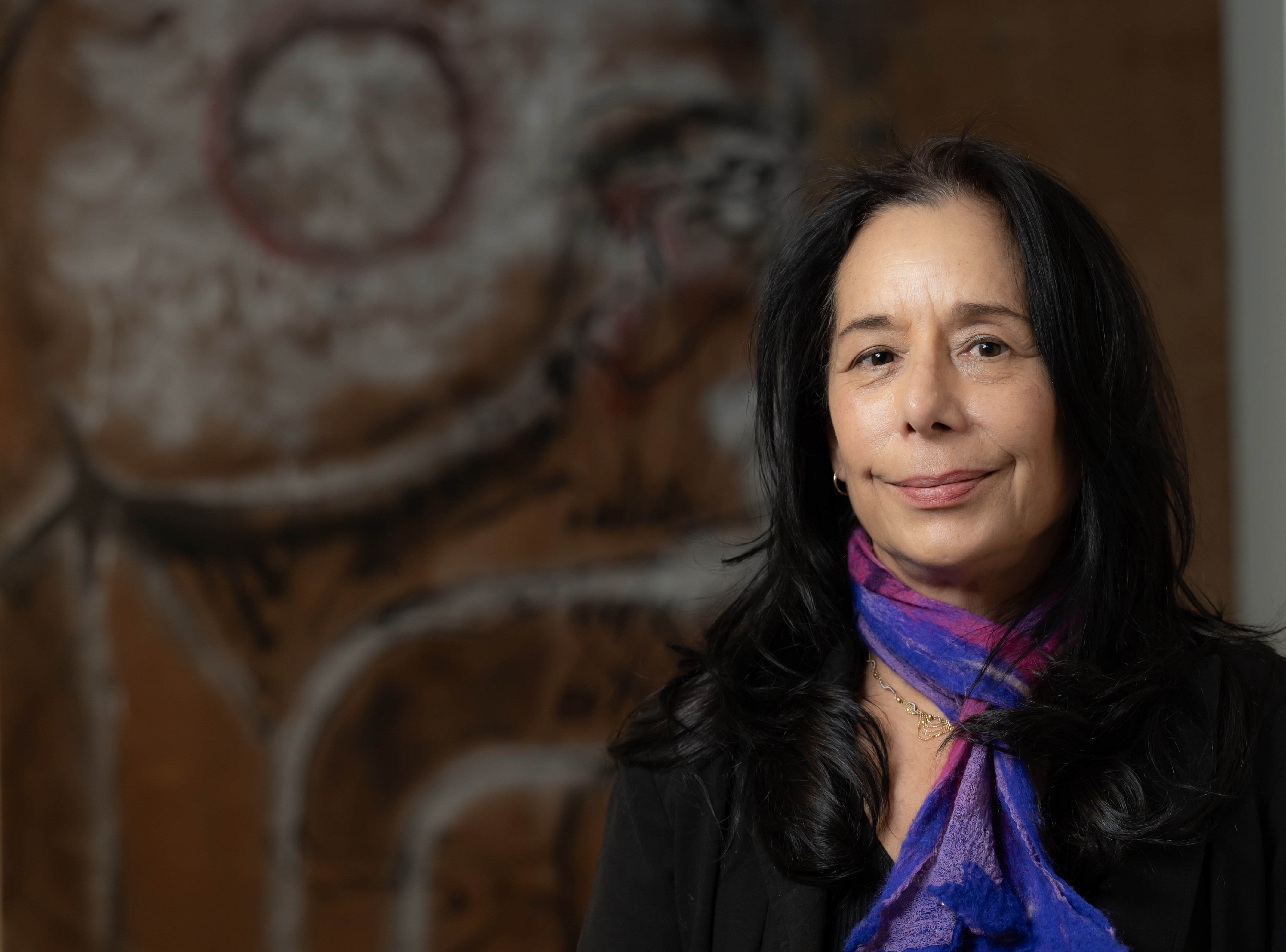
Beatriz Luna, PhD


Beatriz Luna, PhD is the Distinguished Staunton Professor of Psychiatry and Pediatrics as well of Professor of Psychology, Radiology, and Bioengineering at the University of Pittsburgh. She is the founder and Director of the Laboratory for Neurocognitive Development, a founder and first president of the Flux Society for Developmental Cognitive Neuroscience, and Editor-in-Chief of the journal Developmental Cognitive Neuroscience. Dr. Luna uses multimodal neuroimaging (s-t-rs- fMRI, EEG, MRSI, Tissue Iron, PET) to investigate the neurobiological mechanisms (dopamine, GABA, Glutamate, EEG neural signaling) and plasticity that support the transition from adolescence to adulthood of normative development when lifetime trajectories are formed. She has received numerous awards including being elected to the National Academy of Medicine, receiving the Presidential Early Career Award in Science and Engineering, the Provost’s Award for Excellence in Doctoral Mentoring, and the Flux Huttenlocher Award for pioneers in Developmental Cognitive Neuroscience. Her research has been continuously supported by the National Institutes of Mental Health and has informed US Supreme Court briefs regarding extended sentencing in the juvenile justice system. Her extensive media history also includes a cover story in National Geographic and a PBS Special with Alan Alda - “Brains on Trial”.